Home Gym Setup Guide: Step-by-Step for Beginners (2026)
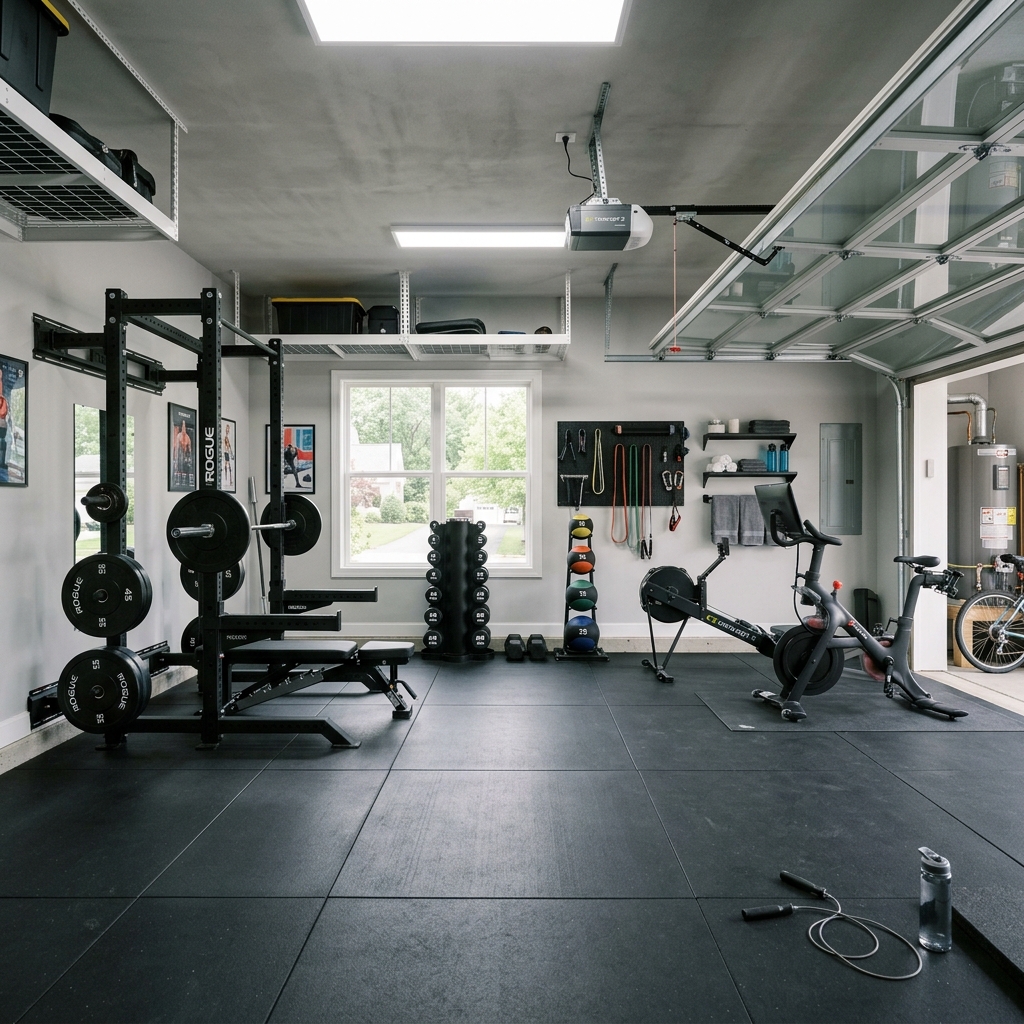
Home Gym Setup Guide: Step-by-Step for Beginners
Everything you need to know to build your first home gym — from measuring your space to your first workout.
Step 1: Assess Your Space
Before buying a single piece of equipment, measure your available space. The most common locations for home gyms and their minimum requirements:
| Location | Min Floor Space | Min Ceiling | Pros | Cons |
|---|---|---|---|---|
| 2-Car Garage | 10×16 ft | 8-10 ft | Concrete floor, no damage worries | Temperature extremes |
| Spare Room | 8×10 ft | 8 ft | Climate controlled, private | Floor protection needed |
| Basement | 10×12 ft | 7-8 ft ⚠️ | Sound isolation, cool temps | Low ceilings, moisture |
| Apartment | 6×6 ft | 8 ft | Convenience | Noise limits, weight limits |
Critical measurements: Note your ceiling height (for pull-ups and overhead pressing), floor dimensions, doorway width (equipment needs to fit through), and proximity to electrical outlets (for cardio machines, fans, lighting).
Step 2: Install Flooring First
Flooring goes in before equipment — it protects your subfloor, dampens noise, provides stable footing, and makes the space feel like a real gym. Our recommended options:
🏆 Horse Stall Mats
$45/mat (4×6 ft, 3/4" thick). Best value in the industry. Dense rubber, extremely durable, handles dropped weights. Available at Tractor Supply.
Interlocking Rubber Tiles
$3-5/sq ft. Cleaner look, easier to customize. Good for finished rooms where aesthetics matter.
Foam Puzzle Mats
$1-2/sq ft. Only for light workouts — foam compresses under heavy loads and creates instability. Fine for yoga and bodyweight areas.
Step 3: Choose Your Equipment
Buy equipment in this order — each piece adds the most exercise variety relative to cost:
Step 4: Environment & Comfort
Temperature Control
Garages need a fan (minimum) or portable AC/heater for extreme weather. Ideal training temperature is 65-72°F. A 20" box fan ($25) is the budget solution; a portable AC ($300-500) is the premium fix.
Lighting
Bright, even lighting prevents eye strain and improves safety. LED shop lights ($20-40 for 2-pack) mounted overhead are the most popular solution for garage gyms. Aim for 50+ lumens per sq ft.
Mirrors
A wall mirror for form checking makes a huge difference. IKEA LOTS mirrors ($10 each, 12×12") work for budget builds. For a cleaner look, large gym mirrors from Amazon ($60-120 for 48×24") provide better coverage.
Sound System
A waterproof Bluetooth speaker ($30-60) is all you need. Mount it high to avoid sweat/impact damage. Music has been scientifically shown to increase workout performance by 5-15%.
Common Mistakes to Avoid
Buying too much too soon. Start with core equipment and add over 3-6 months. You'll learn what you actually use.
Skipping flooring. Dropped weights crack concrete, damage wood, and create unsafe surfaces. Flooring costs $150-300 — far less than subfloor repair.
Not measuring ceiling height. Many basements have 7-7.5 ft ceilings that can't accommodate standard-height racks. Always check before ordering.
Ignoring ventilation. A stuffy, hot space kills motivation. Even a single box fan dramatically improves comfort.
FAQ
❓How long does it take to set up a home gym?
From ordering to first workout: 2-4 weeks (shipping time varies by brand). Physical setup: flooring takes 1-2 hours, a power rack takes 2-4 hours, and organizing accessories takes another hour. You can be fully operational in a single weekend once equipment arrives.
❓What's the cheapest way to build a home gym?
Buy used. Facebook Marketplace and Craigslist regularly have power racks, barbells, and plates at 40-60% off retail. Weight plates hold value well ($1/lb used is standard). Start with the essentials (rack + bar + plates = $400-500 used) and add over time.
📚 Continue Reading
Explore more expert guides from our fitness lab:
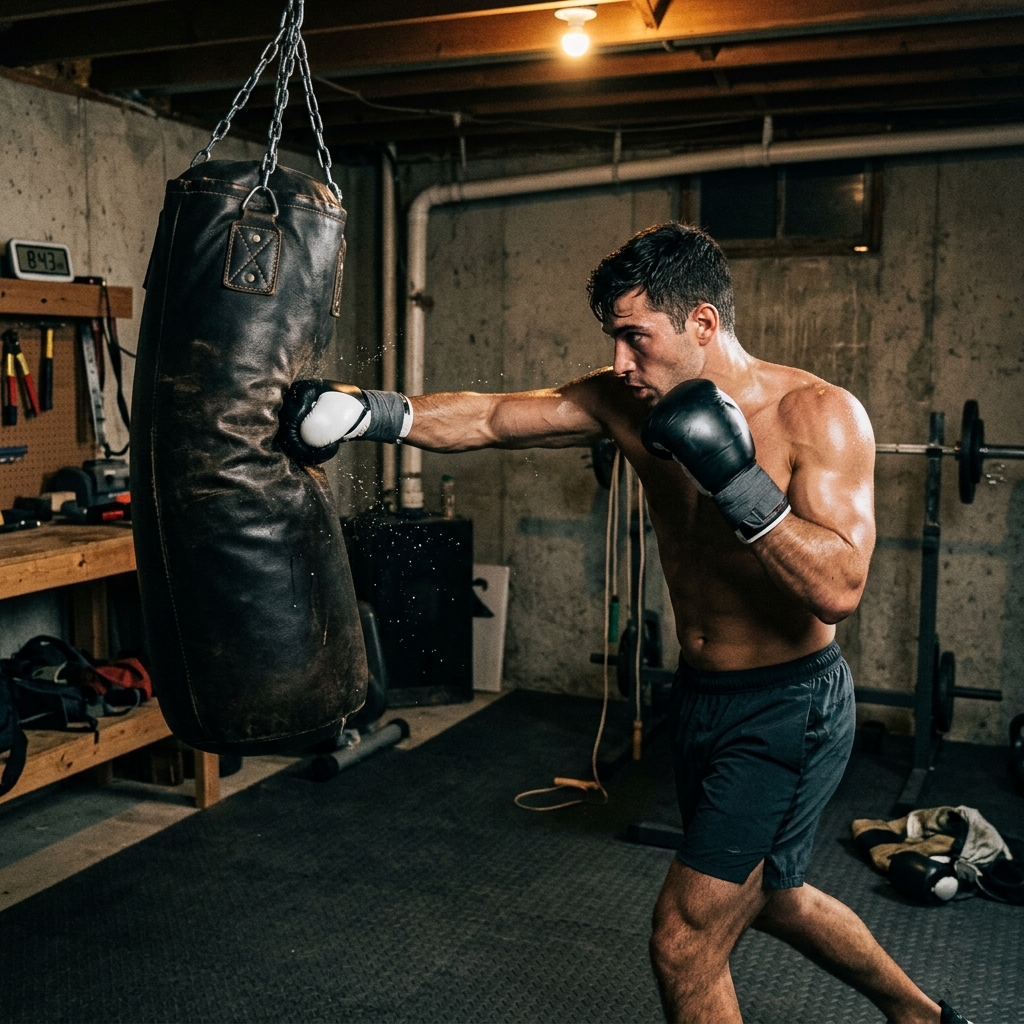
Boxing at Home for Fitness: Complete Setup & Workout Guide (2026)
Best Chest Routine at Home: 5 Programs for Every Level (2026)

Homemade Electrolyte Drink: 5 Science-Backed Recipes (2026)