Best Kettlebells for Home Gym: Types, Weights & Top Picks (2026)
Best Kettlebells for Home: Complete Buying Guide (2026)
One kettlebell replaces a gym membership. Here's which type, weight, and brand to buy for your specific goals.
Why Kettlebells
Kettlebells combine strength training and cardio into one tool. A single kettlebell swing works your glutes, hamstrings, core, shoulders, and grip while elevating your heart rate to cardio zones. Research shows 20 minutes of kettlebell training burns as many calories as running at a 6-min/mile pace. The offset center of gravity challenges stabilizer muscles that dumbbells miss.
3 Types of Kettlebells Compared
| Type | Price | Best For | Handle Feel | Size Varies? |
|---|---|---|---|---|
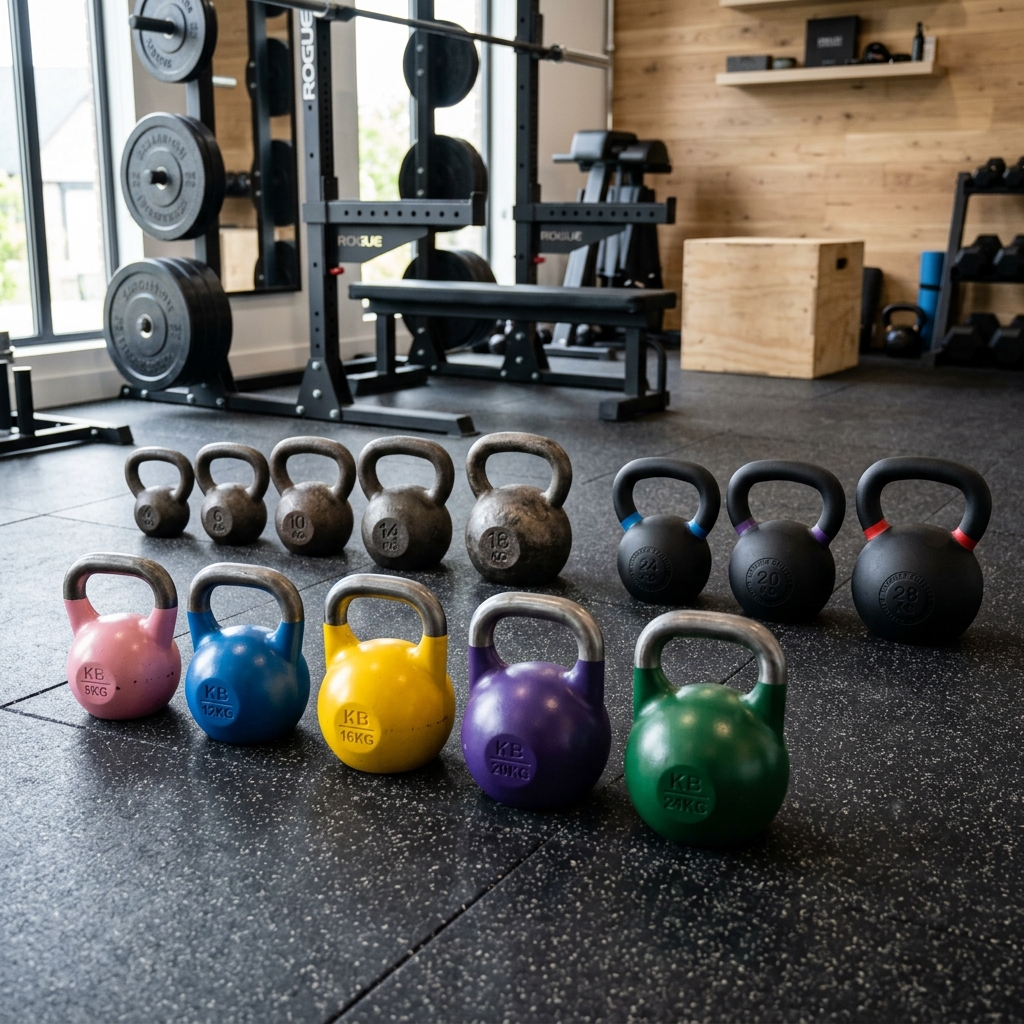
| Cast Iron | $1-2/lb | General fitness, home gyms | Thick, textured | Yes (heavier = bigger) |
| Competition (Steel) | $2-4/lb | Sport KB, technique work | Thinner, smooth steel | No (same size always) |
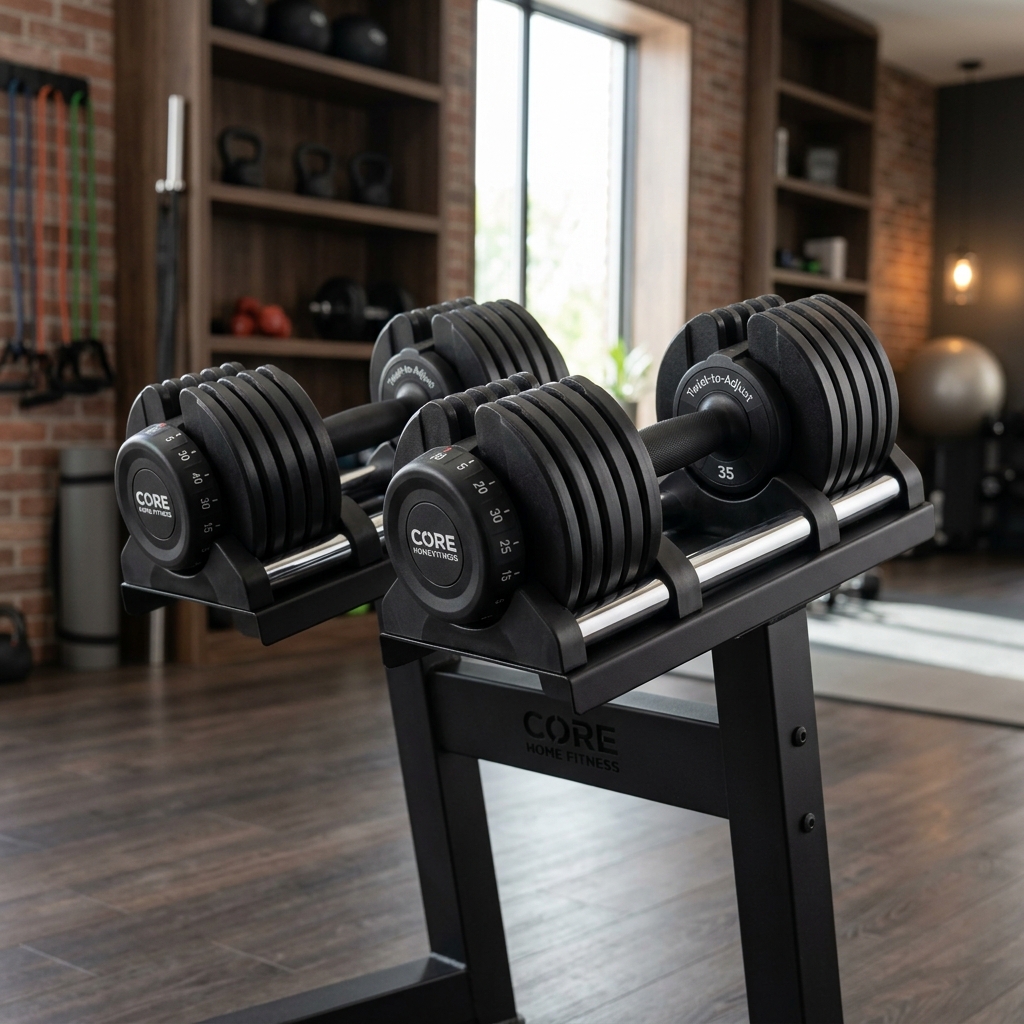
| Adjustable | $100-200 | Small spaces, versatility | Varies by brand | Yes (plates change) |
Our recommendation: Cast iron for most home gym users — best value and handles are perfect for swings and goblet squats. Competition for anyone doing kettlebell sport (snatch, clean and jerk for reps). Adjustable only if space is extremely limited and you need multiple weights.
What Weight Kettlebell Should You Buy?
| Person | First KB | Second KB | Long-Term Goal |
|---|---|---|---|
| Beginner Woman | 18 lb (8 kg) | 26 lb (12 kg) | 35 lb (16 kg) |
| Athletic Woman | 26 lb (12 kg) | 35 lb (16 kg) | 44 lb (20 kg) |
| Beginner Man | 35 lb (16 kg) | 44 lb (20 kg) | 53 lb (24 kg) |
| Athletic Man | 44 lb (20 kg) | 53 lb (24 kg) | 70 lb (32 kg) |
Start heavier than you think. The most common beginner mistake is buying a kettlebell that's too light. Kettlebell exercises like swings and goblet squats use large muscle groups — your legs and hips are stronger than you realize. If in doubt between two weights, pick the heavier one.
10 Essential Kettlebell Exercises
| # | Exercise | Muscles | Sets x Reps |
|---|---|---|---|
| 1 | Two-Hand Swing | Glutes, hamstrings, core | 5 x 15 |
| 2 | Goblet Squat | Quads, glutes | 4 x 10 |
| 3 | Turkish Get-Up | Full body, stability | 3 x 3/side |
| 4 | Single-Arm Press | Shoulders, triceps, core | 3 x 8/side |
| 5 | Single-Arm Row | Back, biceps | 3 x 10/side |
| 6 | Clean | Full body, power | 4 x 8/side |
| 7 | Snatch | Full body, cardio | 5 x 5/side |
| 8 | Farmer's Walk | Grip, core, shoulders | 3 x 40 yards |
| 9 | Windmill | Obliques, shoulders | 3 x 5/side |
| 10 | Halo | Shoulders, mobility | 3 x 8/direction |
Best Kettlebell Brands
| Brand | Price Range | Quality | Best Product |
|---|---|---|---|
| Rogue | $1.50-2.50/lb | Excellent | E-Coat Kettlebell |
| Kettlebell Kings | $2.00-3.50/lb | Excellent | Powder Coat KB |
| CAP Barbell | $0.80-1.50/lb | Good | Cast Iron KB |
| Titan Fitness | $1.00-1.75/lb | Good | Competition KB |
| REP Fitness | $1.25-2.00/lb | Very Good | Matte Black KB |
FAQ
❓Kettlebells vs dumbbells — which is better?
They're complementary, not competing. Kettlebells excel at ballistic, swinging movements (swings, cleans, snatches) that build power and cardio simultaneously. Dumbbells excel at controlled, slow movements (presses, rows, curls) that build size and strength. Ideally, a home gym has both. If forced to choose one, dumbbells offer more exercise variety; kettlebells offer better conditioning in less time.
❓How many kettlebells do I need?
Start with one. Seriously. A single kettlebell supports 50+ exercises and complete full-body workouts. After 3-6 months, add a second kettlebell (heavier for swings and squats, keep the lighter one for presses and get-ups). Three kettlebells (light, medium, heavy) is the practical maximum for a home gym — beyond that, you're better served by adjustable dumbbells.
📚 Continue Reading
Explore more expert guides from our fitness lab: