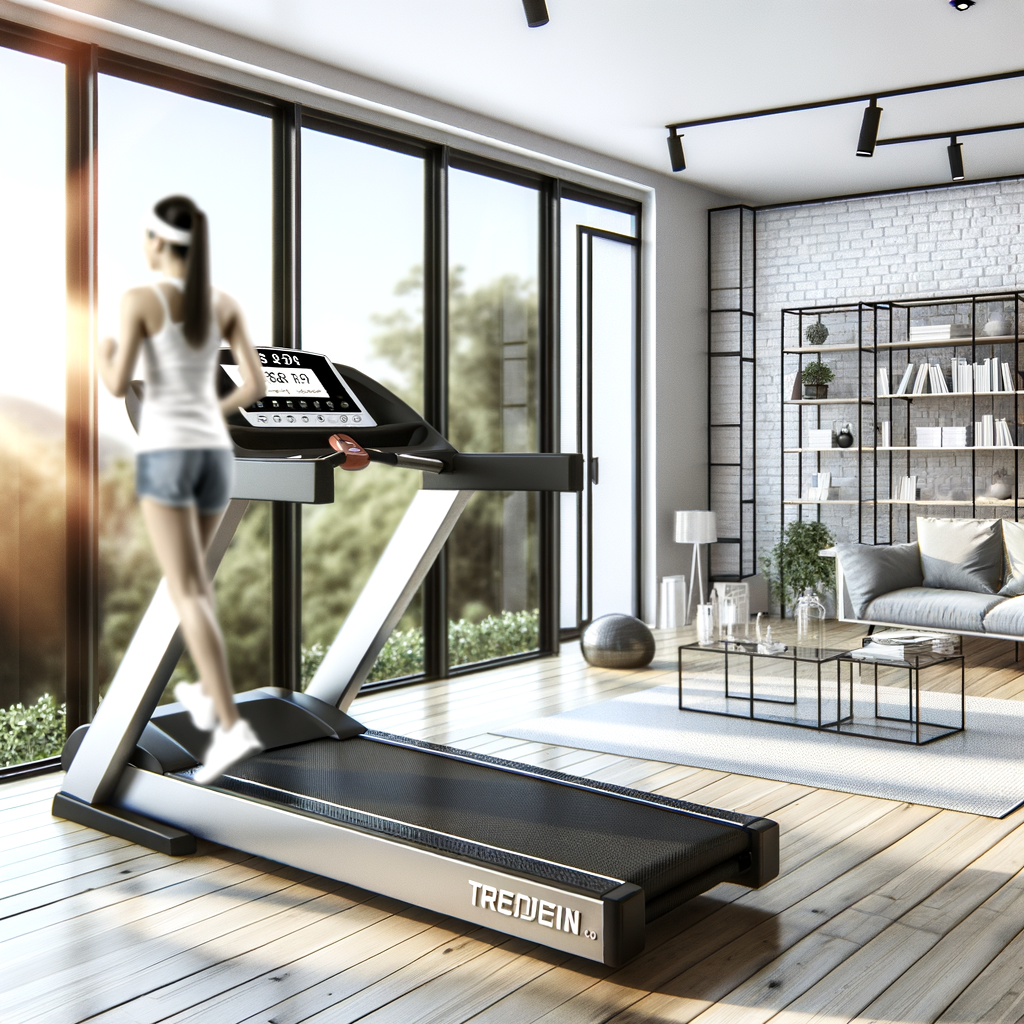
At Home Gym Guide: How to Build Your Perfect Setup (2026)
At Home Gym Guide: Build Your Perfect Setup (2026)
The definitive guide to building a home gym that fits your space, budget, and goals. No wasted money, no equipment regret.
The At-Home Gym Advantage
A home gym eliminates the #1 reason people skip workouts: the commute. When your gym is 10 steps away, the friction drops to near zero. Home gym users work out 2.5x more consistently than gym members (based on adherence data). Over a 5-year period, a home gym also costs 40-70% less than a gym membership when you factor in equipment longevity. The question isn't whether to build one — it's how.
Step 1: Choose Your Space
| Location | Typical Size | Best For | Considerations |
|---|---|---|---|
| Garage (1-car) | 10x20 ft | Full gym 🏆 | Temp control, concrete floor, ceiling height |
| Spare Bedroom | 10x12 ft | Solid setup | Floor protection, noise, doorway size |
| Basement | Varies (often large) | Full gym | Ceiling height (7 ft min), moisture |
| Living Room Corner | 6x6 ft | Minimalist | Aesthetics, noise, shared space |
| Apartment | 4x6 ft | Bodyweight + DB | Noise restrictions, no drilling, floor weight |
Step 2: Build by Budget
The Essentials
Adjustable dumbbells ($60-150) + pull-up bar ($25) + yoga mat ($15) + resistance bands ($20). Fits in a closet. Covers 100+ exercises including every major muscle group. Perfect for apartments and beginners.
The Solid Foundation
Everything above + adjustable bench ($150) + kettlebell ($40) + stall mat flooring ($45) + fan ($30). Needs a dedicated 6x8 ft area. The bench unlocks incline presses and seated exercises. Now you're training like an intermediate lifter.
The Serious Gym
Everything above + power rack ($350) + Olympic barbell ($150) + 300 lbs of plates ($250). Needs 10x10 ft. Now you can squat, bench press, deadlift, and overhead press — the four exercises that build the most muscle and strength.
The Complete Gym
Everything above + cable system ($300-700) + cardio machine ($500-1,000) + mirrors ($100-200) + LED lighting ($20) + speaker ($30). Needs 10x16+ ft. This setup matches or exceeds 95% of commercial gyms for the exercises most people actually do.
Step 3: Layout Your Space
Equipment placement matters for safety, efficiency, and flow. Follow these principles:
- Power rack against a wall. The rack is the heaviest, tallest piece — it anchors the room. Place it against the sturdiest wall, ideally with 3+ feet of clearance in front for barbell exercises.
- Mirrors on the opposite wall. You should see yourself during exercises performed in front of the rack (squats, overhead press). Place mirrors on the wall you face.
- Cardio near the door. Cardio machines are the least "anchored" — you might move them for other exercises. Place them where they're accessible but not blocking barbell paths.
- Dumbbells within arm's reach of the bench. You'll grab dumbbells between every set. Don't make yourself walk across the room.
- Clear the center. Leave the middle of the room open for floor exercises (stretching, ab work, lunges) and deadlifts if you don't have a platform.
FAQ
❓How much does it cost to build a home gym?
$200 for a functional minimalist setup (dumbbells + pull-up bar + mat). $1,000-2,000 for a solid gym with rack, barbell, and bench. $3,000-5,000 for a comprehensive gym that rivals commercial facilities. Most home gym owners spend $1,500-2,500 over their first year and add equipment gradually over 2-3 years. Buying used saves 40-60%.
❓Is a home gym worth it vs a gym membership?
Financially: a $2,000 home gym equals 3-5 years of gym membership ($30-50/month) but lasts 15-20 years. Practically: home gyms have higher adherence rates (no commute, no excuses), 24/7 availability, and zero wait times. The only advantage of a commercial gym is access to specialized equipment (cable crossovers, plate-loaded machines) and the social/motivational atmosphere. If you're disciplined enough to train alone, a home gym is the superior investment.
📚 Continue Reading
Explore more expert guides from our fitness lab:
Compact Home Gym: Best Space-Saving Equipment & Layouts (2026)
Best Outdoor Fitness Equipment: Weatherproof Picks for 2026
Planet Fitness New Equipment 2026: What's Changed & Why It Matters