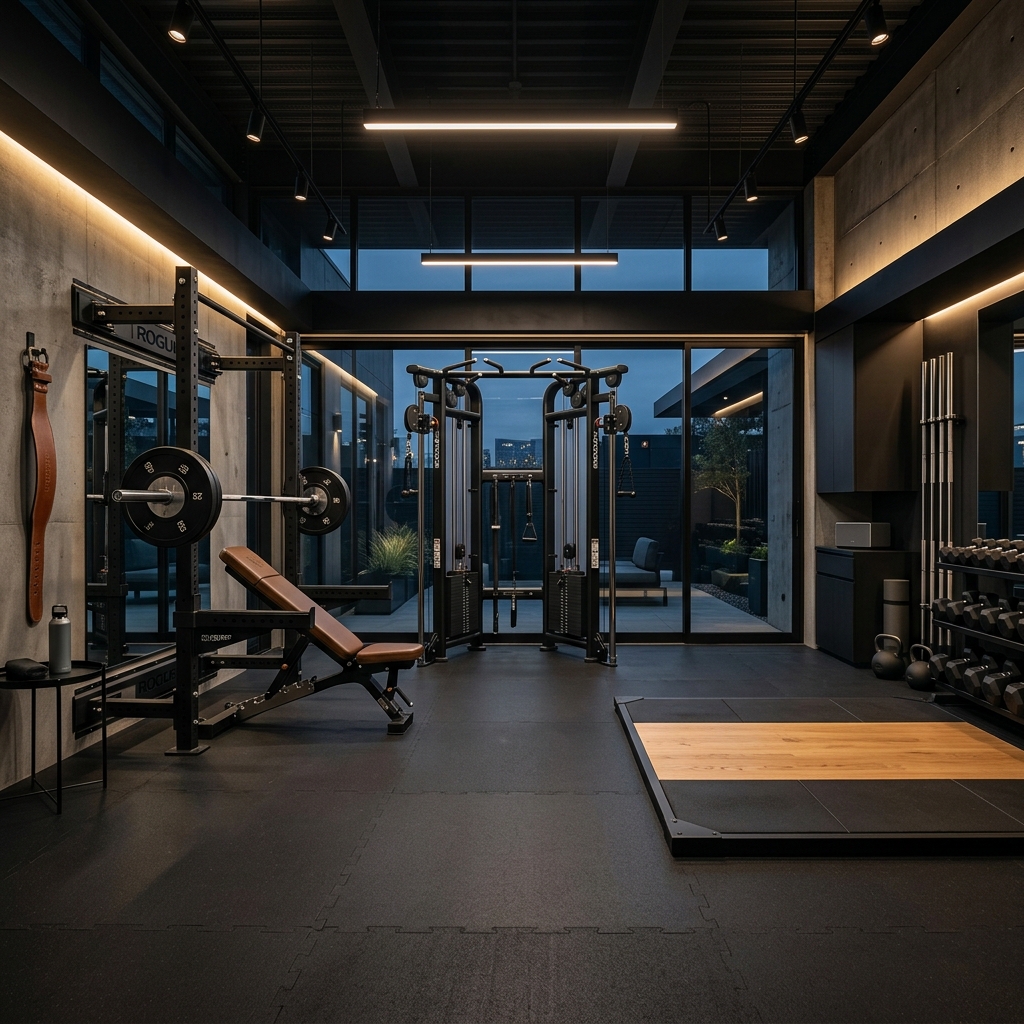
Power Rack for Home Gym: Complete Buying Guide (2026)
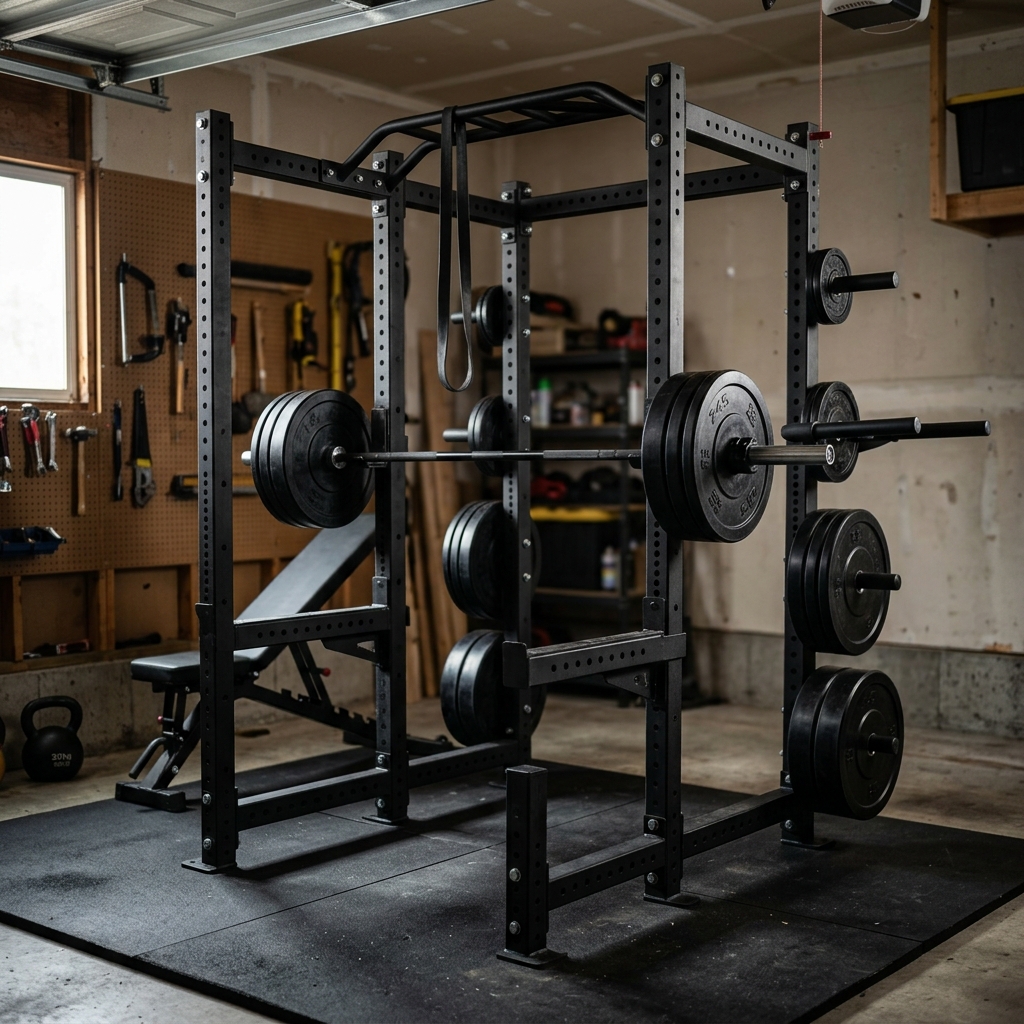
Power Rack for Home Gym: Complete Buying Guide (2026)
The power rack is the single most important piece of equipment in any serious home gym. Here's how to pick the right one without wasting money.
Why a Power Rack Is Essential
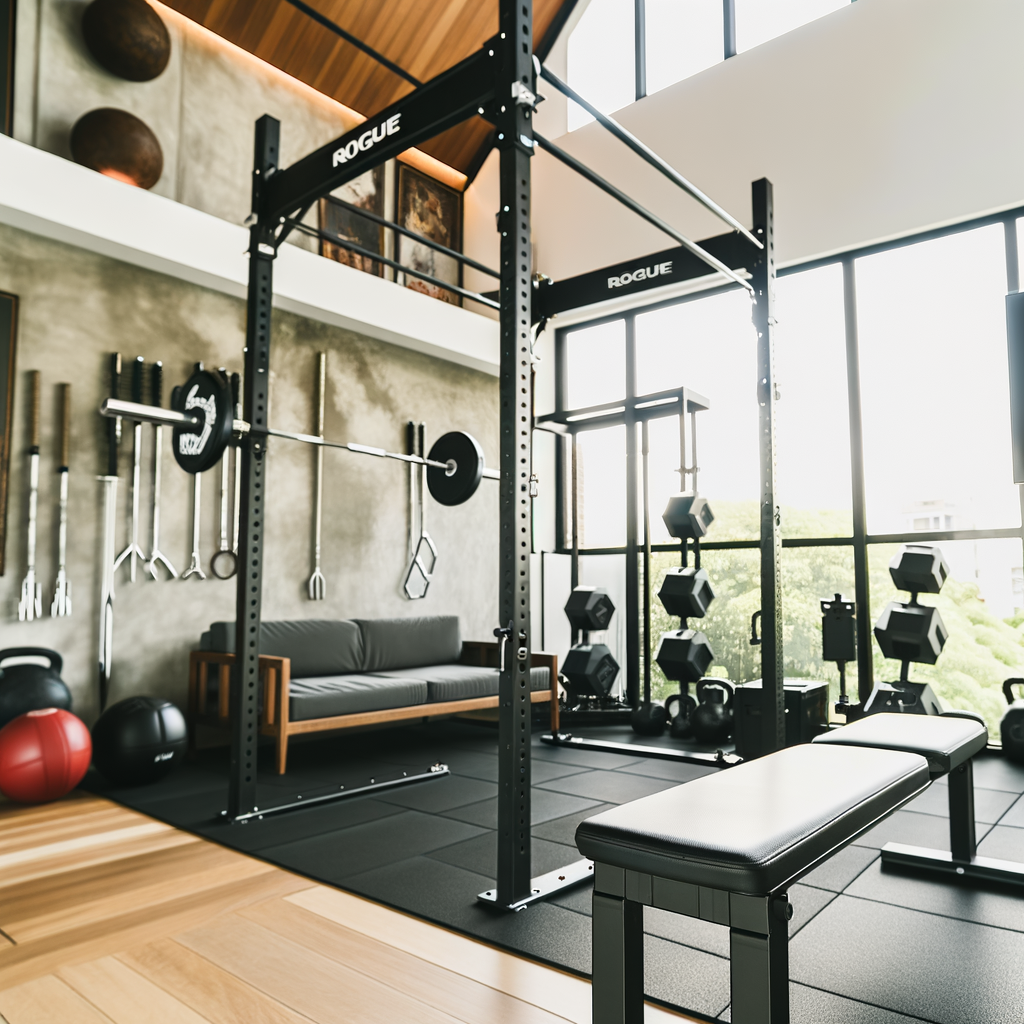
A power rack lets you safely perform the four most effective strength exercises — squats, bench press, overhead press, and barbell rows — alone and without a spotter. The safety bars catch the barbell if you fail a rep. Without a rack, you're limited to dumbbells and bodyweight. With one, you have access to virtually every heavy barbell exercise in existence. It's the backbone of every serious home gym.
Top 8 Power Racks for Home
| Model | Price | Capacity | Uprights | Hole Spacing | Rating |
|---|---|---|---|---|---|
| Titan T-2 | $289 | 700 lbs | 2x2" 1" holes | 2" apart | 4.3/5 |
| Titan T-3 | $389 | 1,100 lbs | 2x3" 5/8" holes | 2" (1" in bench zone) | 4.6/5 |
| REP PR-1100 | $299 | 700 lbs | 2x2" 1" holes | 2" | 4.4/5 |
| REP PR-4000 | $599 | 1,000 lbs | 3x3" 5/8" holes | 1" through bench | 4.7/5 |
| Rogue R-3 | $595 | 1,000+ lbs | 2x3" 5/8" holes | 2" (1" in bench) | 4.8/5 |
| Rogue RML-390F | $795 | 1,000+ lbs | 3x3" 5/8" holes | 1" Westside | 4.9/5 |
| Titan X-3 | $549 | 1,650 lbs | 3x3" 5/8" holes | 2" | 4.5/5 |
| Force USA MyRack | $449 | 2,000 lbs | Custom | Varies | 4.3/5 |
What to Look For When Buying
Upright Size Matters
2x2 inch uprights with 1-inch holes: budget tier, 700 lbs capacity, limited attachment options. 2x3 inch uprights with 5/8-inch holes: mid-range, 1,000+ lbs, wide attachment compatibility. 3x3 inch uprights with 5/8-inch holes: premium, 1,000+ lbs, maximum attachment options. For long-term expandability, 2x3 or 3x3 uprights are worth the investment.
Hole Spacing
1-inch hole spacing in the bench press zone (Westside spacing) lets you fine-tune J-hook and safety bar height for optimal bench press setup. 2-inch spacing is workable but less precise. For squats, 2-inch spacing is fine since the difference between heights is minimal at standing height.
Space Requirements
A standard power rack is approximately 4x4 feet. But you need 7-8 feet of depth (for bench press with the bar racked), 5 feet of width (for loading plates), and 7-8 feet of ceiling height (for pull-ups). Total usable space: approximately 5x8 feet minimum, or 40 square feet.
Essential Attachments
J-hooks (included with every rack) for bar placement. Safety bars or straps (essential for solo training). Pull-up bar (usually included). Optional but transformative: dip attachment ($40-80), lat pulldown ($200-400), cable system, and plate storage pegs.
Our Recommendation
Budget: Titan T-2 ($289)
Best rack under $300. Holds 700 lbs (more than most home lifters need). 2x2 uprights limit future attachments, but for basic squats, bench, and OHP, it's all you need. Includes pull-up bar.
Best Value: Titan T-3 ($389)
Our top recommendation. 2x3 uprights with Westside spacing, 1,100 lb capacity, and compatible with dozens of attachments. $200 cheaper than comparable Rogue and REP racks with 90% of the quality.
Premium: Rogue RML-390F ($795)
Buy-once quality. Made in USA, lifetime durability, massive attachment ecosystem. If budget isn't the primary concern and you want a rack that lasts 20+ years, Rogue is the gold standard.
FAQ
❓Do I need to bolt my power rack to the floor?
Not required for most home use, but recommended once you're squatting 300+ lbs. An unbolted rack can shift during heavy lifts or aggressive pull-ups. Alternatives to bolting: place heavy sandbags or plates on the rack base, use anti-slip pads, or bolt to a plywood platform that sits on top of your gym flooring.
❓Power rack vs squat stand for home gym?
Power rack every time. A squat stand costs $100-200 less but has no safety bars for bench press (the exercise most likely to trap you), is less stable under heavy squats, and can't support attachments like dip bars or lat pulldowns. The extra $100-200 for a power rack is the best safety investment in any home gym. The only exception: if ceiling height is under 7 feet, a short squat stand may be the only option.
📚 Continue Reading
Explore more expert guides from our fitness lab: